


|
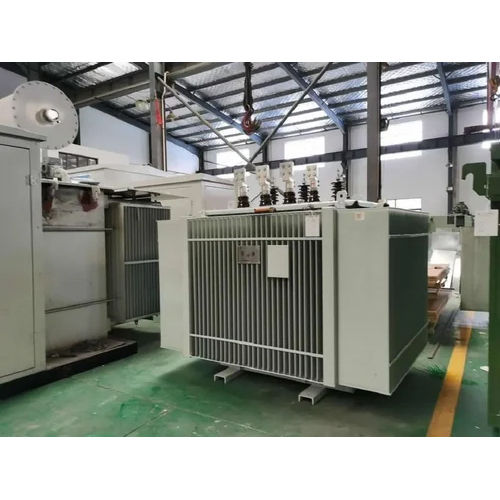
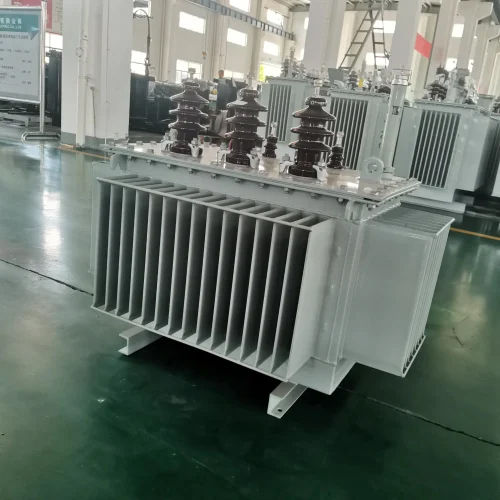
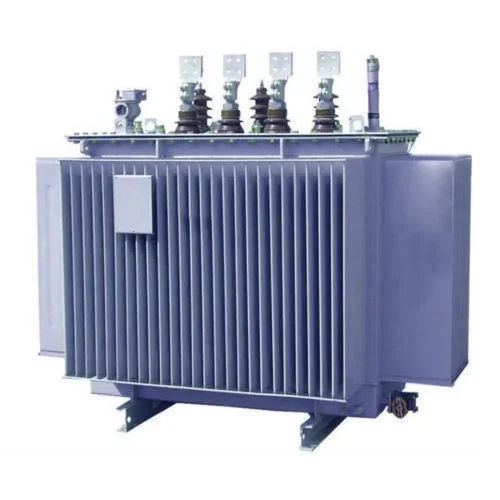
Dry Type Transformer

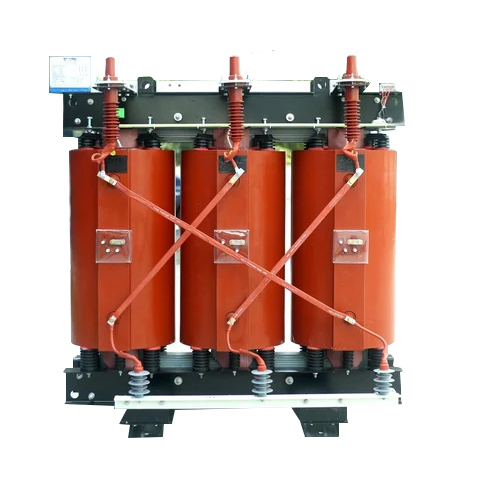
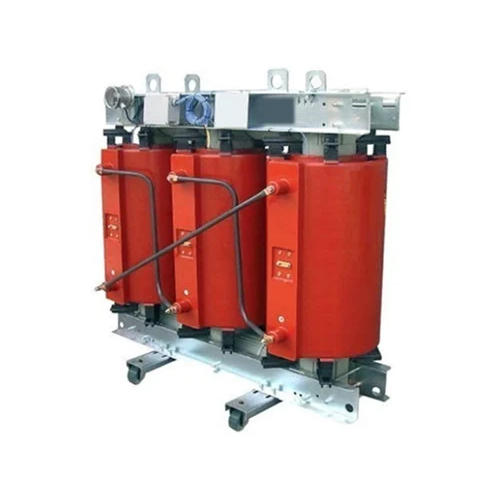
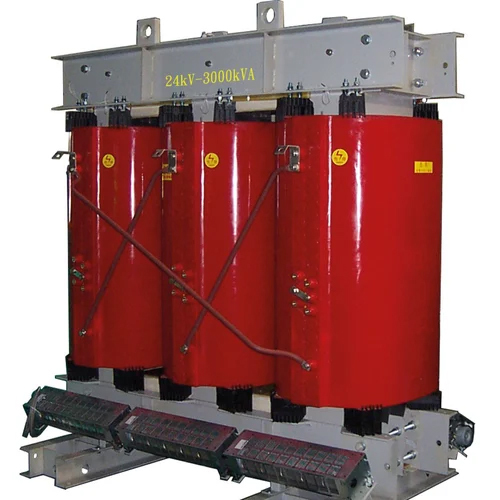

Dry Type Transformer Specification
- Voltage Booster Type
- Dry
- Product Type
- Other
- Material
- Stainless Steel
- Frequency (MHz)
- 50 Hertz (HZ)
- Efficiency
- High
- Phase
- Three Phase
- Usage
- Industrial
Dry Type Transformer Trade Information
- Minimum Order Quantity
- 10 Units
- FOB Port
- sonipat
- Payment Terms
- Cash Advance (CA), Cash in Advance (CID)
- Supply Ability
- 25 Units Per Month
- Delivery Time
- 15 Days
- Sample Policy
- Contact us for information regarding our sample policy
- Packaging Details
- raping
- Main Export Market(s)
- Asia
- Main Domestic Market
- All India
About Dry Type Transformer
A dry-type transformer is a type of electrical transformer that uses air (either natural or forced) or other gaseous/solid insulating materials as its primary cooling and insulating medium, as opposed to liquid-filled (oil-cooled) transformers. The "dry" in its name signifies the absence of any liquid dielectric, such as mineral oil, silicone, or other synthetic fluids, in its construction.
This type of transformer is particularly favored in applications where safety, environmental considerations, and minimal maintenance are paramount, especially in indoor installations or environments with strict fire safety regulations.
Key Characteristics and Construction
Instead of oil, dry-type transformers rely on:
-
Air Cooling:
- Natural Air Cooling (AN - Air Natural): The windings are exposed to the ambient air, and heat is dissipated through natural convection and radiation.
- Forced Air Cooling (AF - Air Forced): Fans are used to blow air over the windings and coils, significantly increasing the cooling capacity. This allows for higher power ratings in a smaller footprint or enables the transformer to handle temporary overloads.
-
Solid and Gaseous Insulation:
- Epoxy Resin (Cast Resin or Cast Coil): A common type where the windings are entirely encapsulated in a solid epoxy resin under vacuum. This provides excellent mechanical strength, moisture protection, and high dielectric strength. Cast resin transformers are very robust and resistant to harsh environments.
- VPI (Vacuum Pressure Impregnated): In this type, the windings are impregnated with high-temperature varnish or resin under vacuum and pressure. This process fills all voids, enhancing insulation and preventing moisture ingress. The coils are then often enclosed in a robust, ventilated casing.
- Pre-preg or Resin-Glass Composites: Used for coil insulation and structural support.
- High-Temperature Insulating Materials: Materials like Nomex, Kapton, and various ceramics are used for winding insulation and spacers to withstand operating temperatures.
-
Core: Similar to oil-filled transformers, they use a laminated silicon steel core to provide the magnetic path.
-
Enclosure/Ventilation: The core and coil assembly are typically housed within a protective metal enclosure, often with louvers or vents to allow for airflow for cooling.
Types of Dry-Type Transformers
-
Cast Resin Dry-Type Transformers (CRT):
- Windings (both high voltage and low voltage) are encapsulated completely in epoxy resin, forming a solid block.
- Offers superior resistance to moisture, dust, and corrosive atmospheres.
- Very low flammability and self-extinguishing.
- High mechanical strength and short-circuit withstand capability.
- Higher manufacturing cost compared to VPI.
-
Vacuum Pressure Impregnated (VPI) Dry-Type Transformers:
- Windings are made with pre-impregnated insulation materials or are impregnated with varnish/resin under vacuum and pressure after winding.
- Offers good moisture resistance and insulation properties.
- Generally lighter and less expensive than cast resin types for similar ratings.
- Still provides excellent fire safety characteristics.
- Often has exposed coils within a ventilated enclosure.
Advantages of Dry-Type Transformers
- Enhanced Fire Safety: No flammable oil, eliminating the risk of fire or explosion associated with liquid-filled transformers. This is their most significant advantage.
- Environmental Friendliness: No risk of oil leaks, spills, or contamination of soil/water, making them ideal for ecologically sensitive areas.
- Reduced Maintenance: No oil to filter, test, or replace. Fewer routine checks are required.
- Can be Installed Indoors: Due to safety and lack of oil, they can be placed closer to the load, reducing cable lengths and voltage drops.
- Low Noise Levels: Generally quieter in operation than liquid-filled types.
- High Overload Capability (for some designs): Particularly VPI types with forced air cooling.
- Good for Harsh Environments (Cast Resin): Resistant to moisture, dust, and chemical contaminants.
Disadvantages of Dry-Type Transformers
- Higher Initial Cost: Generally more expensive to purchase than comparable oil-filled transformers, especially for larger ratings.
- Larger Footprint (for AN types): Natural air-cooled transformers often require more space for adequate air circulation. Forced air (AF) mitigates this.
- Lower Overload Capacity (for AN types): Without forced cooling, they have less thermal inertia than oil-filled units and can overheat faster under sustained overloads.
- Sensitivity to Temperature (for some designs): While designed for high temperatures, extreme ambient conditions or improper ventilation can affect performance.
- Not Suitable for Outdoor Exposure (without special enclosure): Unless designed with a specific weather-proof enclosure, their exposed coils are vulnerable to direct rain, snow, or excessive dust.
Common Applications
Dry-type transformers are widely used in situations where safety and environmental concerns outweigh the higher initial cost:
- Commercial and Residential Buildings: High-rise buildings, hospitals, schools, shopping malls, data centers.
- Industrial Plants: Chemical plants, food processing facilities, manufacturing plants, where fire risk is high.
- Underground Substations: Where space is limited and fire safety is critical.
- Renewable Energy Sites: Solar and wind farms (often for local step-up).
- Offshore Platforms and Marine Vessels: Where fire safety and weight are crucial.
- Dusty/Polluted Environments: Cast resin types are particularly well-suited.

Price:
- 50
- 100
- 200
- 250
- 500
- 1000+




Contact Details
GST : 06APCPK3923R2ZI
 Send Inquiry
 |
Kamal Transformers
All Rights Reserved.(Terms of Use) Developed and Managed by Infocom Network Private Limited. |
